Melissa Sledge
Artist of Systems & Self
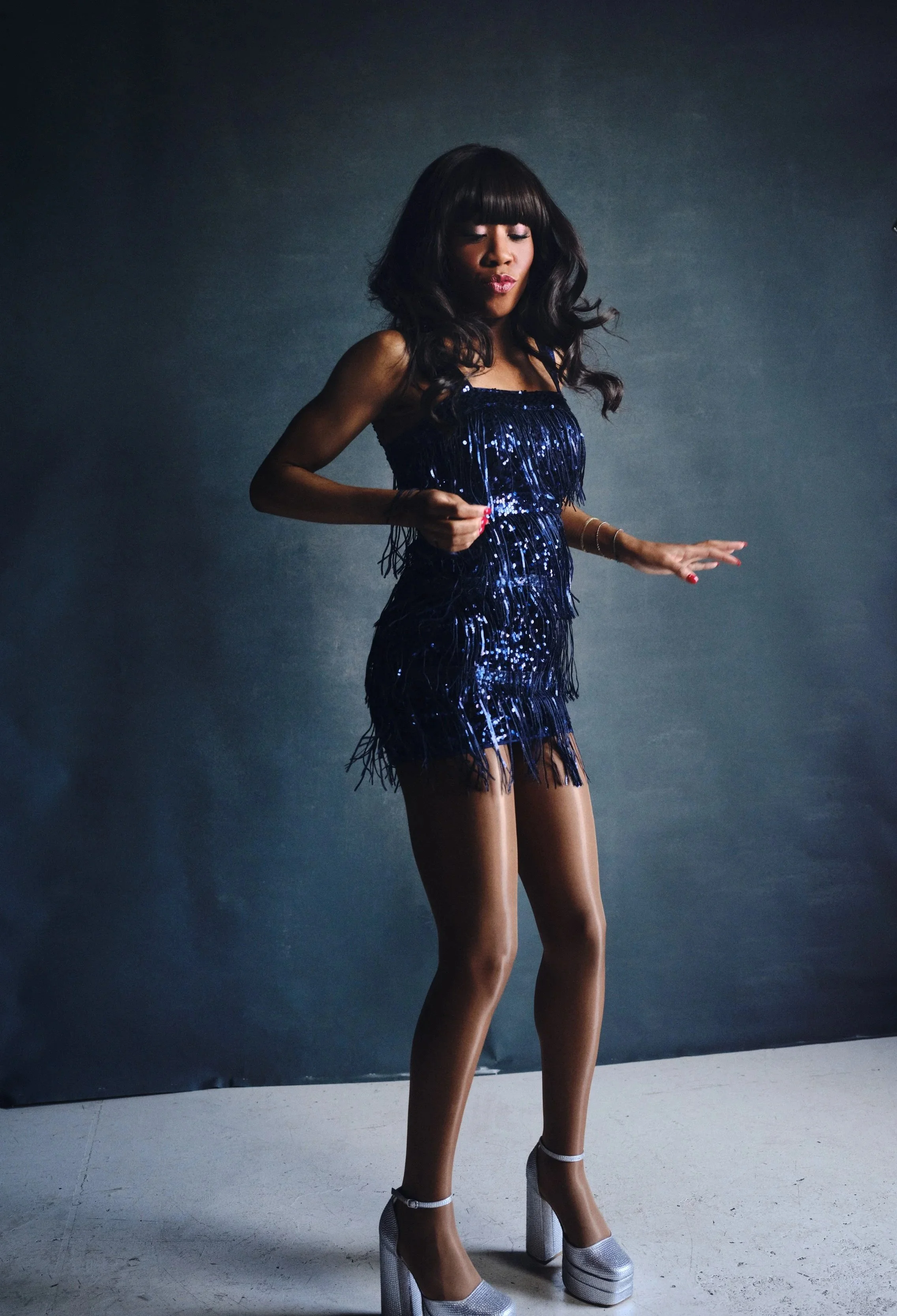
The Other Brain
There is a version of me that lives in project plans, and then there's this. I was drawn to the arts because I was curious about what it felt like to work without a framework. I want to be in a room where the rules were suggestions, where the "right answer" was a moving target, where the most valuable thing you could bring wasn't a methodology, but a point of view.
Structure taught me how to build things that last. Expression has taught me some things are meant to unsettle, to open something up and leave it open. The pivot wasn't a departure. It was an expansion.
I remember the first time I understood what acting actually required, not performance in the theatrical sense, but genuine presence. The willingness to be vulnerable and affected. To receive what another person is giving you in a scene and respond to that, not to the version of the scene you rehearsed in your head. That's not a skill you can certify. It's a capacity you develop by repeatedly putting yourself in situations where control is not available and you’re waiting to see what happens.
I found that I didn't panic. In fact, I was quite comfortable in the unknown. In corporate environments, uncertainty is a problem to be managed. In creative work, uncertainty is the material. An artist is not trying to eliminate uncertainty. They’re trying to work with it and follow it somewhere interesting. This side of my life doesn't balance the other side, it informs it.
My genuine interest in understanding how something works, the patience for complexity, the willingness to sit with a problem until it reveals its structure is the same curiosity that draws me into a character, onto a canvas, or into a story that isn't finished yet and might not be for a while.
I didn't cross hemispheres. I just stopped pretending I only lived in one.
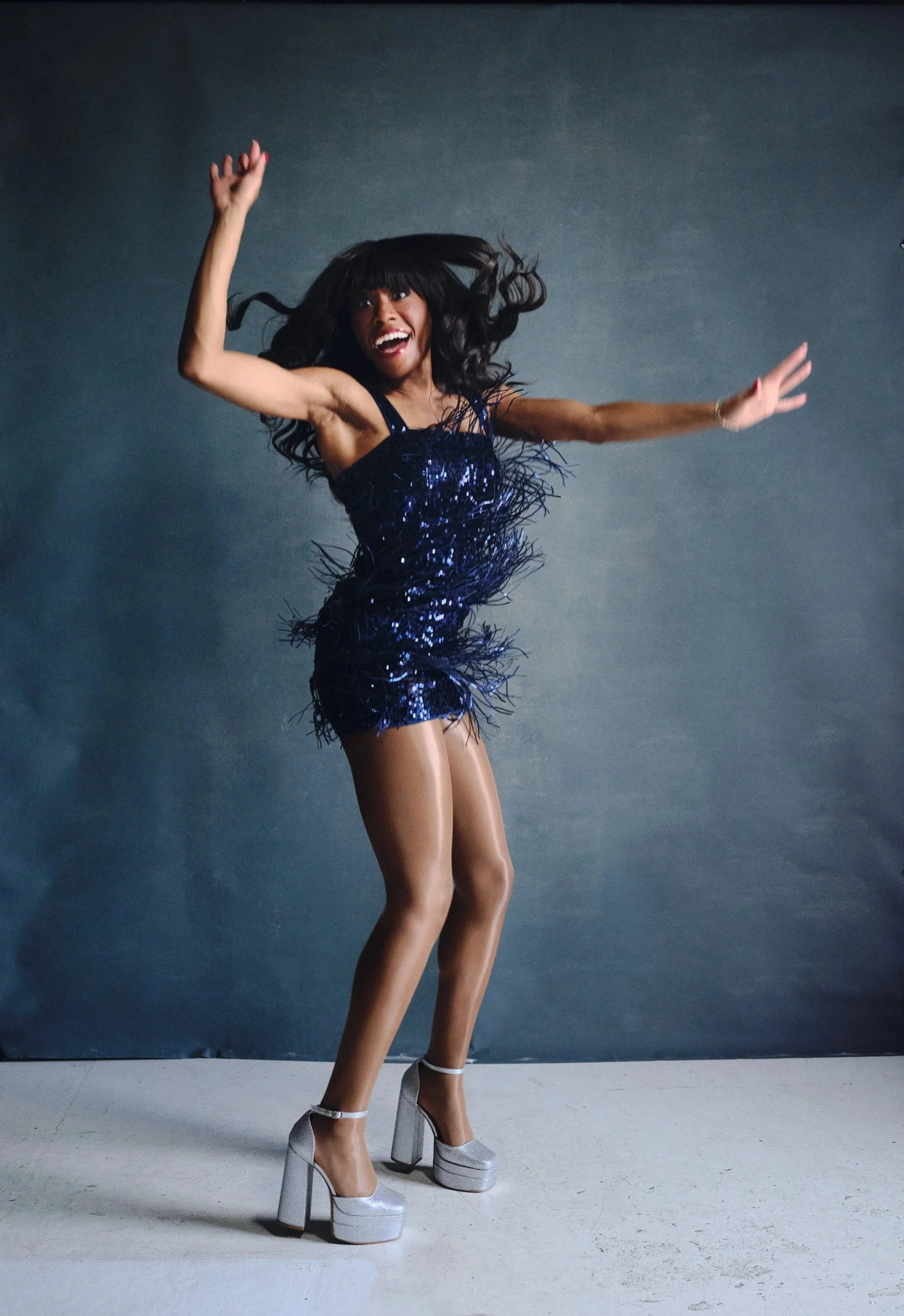
Amorphous
Amorphous means without fixed shape, and it's the most honest description of a creative practice that has never stayed in one form long enough to be categorized.
Each medium I’ve worked in has its own demands, its own relationship between the performer and the material, its own definition of what "good" looks like. I've worked in all of them, and the through-line isn't a type or a brand, it's a willingness to meet the work on its own terms.
Film
I've played leading and supporting roles across a range of directors including Mend, Familiar, Dating Blues, Grow Up, and Khronos. In one case, Melissa, I didn't wait to be cast, I wrote the script, stepped in front of the camera, and directed myself. That dual role, author and subject simultaneously, taught me something about creative ownership that I don't think I could have learned any other way. The story you tell about yourself, when you're the one holding the camera, is different from any story someone else would tell because you’re more exposed. My vulnerability resulted in the Best Documentary Short Award at the 2020 Capital City Black Film Festival.
Commercial Work
Working with Optimum Nutrition, Dell, Abbott Pharmaceuticals and Indeed had one focus, precision. You're serving a message, a brand, and a very specific need. There's a balance between finding the human moment within a thirty-second window or making a corporate narration feel like a person instead of a script. I find those constraints interesting rather than limiting.
Voiceover
When the camera disappears and only the voice remains, there's nowhere to hide and no compensations. Working on the Stardog Voicebox series required a distinct narrative presence inside an enterprise technology context requiring me to make complex material feel clear and human. I'm Not Dead and Otaktay, directed by Tracey Jules, went somewhere else entirely, into horror, character, and story. The voice has to do all of it and there's a discipline I genuinely love.
Amorphous doesn't mean “unformed.” It means the shape is always in conversation with what the work requires.
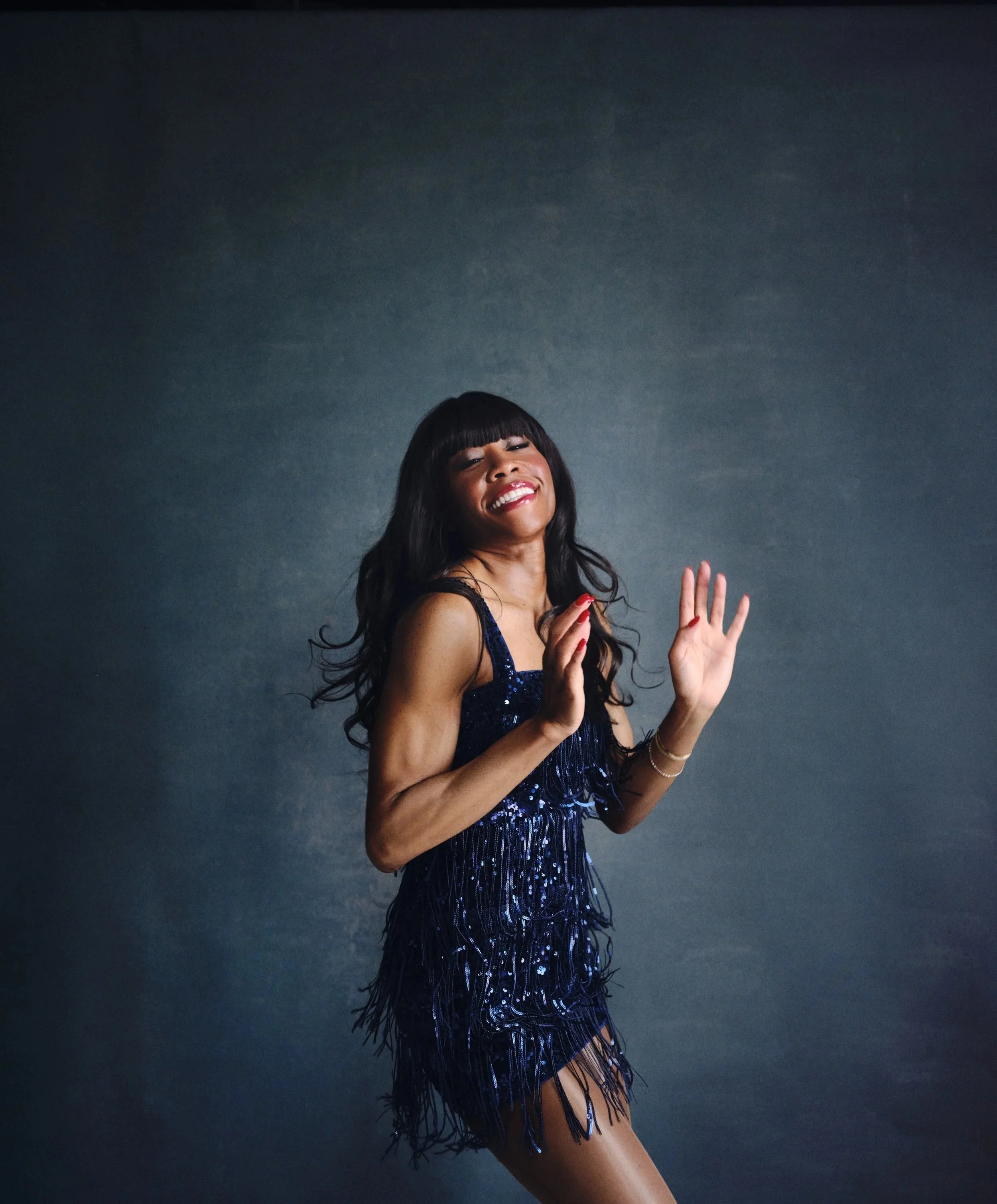
Studio
Something is shifting, and has been for a while.
Mixed media. Painting. Drawing. The kind of work where the only collaborator is the material itself, and the only brief is whatever is true right now. I came to visual art the same way I've come to everything else, following a thread that had always been there, long before I had a name for it.
Mixed media in particular interests me because it refuses single-material logic. A piece that holds texture, found objects, written language, and painted surface isn't just a visual object, it's a record of process. A layering of decisions and a surface that holds time. That appeals to the part of me that has always wanted to understand what's underneath, what was kept, and what got cut.
The work I'm making is contemporary in the sense that it doesn't look backward for its references. It's interested in what the body knows before the mind has caught up. In images that recur before you understand why. In color and form as language rather than decoration.
The studio is where I am now. Not arriving but already inside it, making work, following the thread. This is the part of my life that is most openly in motion, and I've stopped waiting to understand it fully before letting it be seen.